Program Highlights: Metro Planning Updates with Chief Planning Officer Ray Sosa
On June 24, 2026, WTS-LA welcomed transportation professionals from across Southern California for an engaging discussion on the future of mobility in Los Angeles County, featuring Ray Sosa, Chief Planning Officer for LA Metro. Hosted at the Omni Los Angeles Hotel and sponsored by WTS-LA Platinum Corporate Partner WSP, the luncheon provided attendees with a firsthand look at the planning initiatives, investments, and strategies shaping the region’s transportation future.
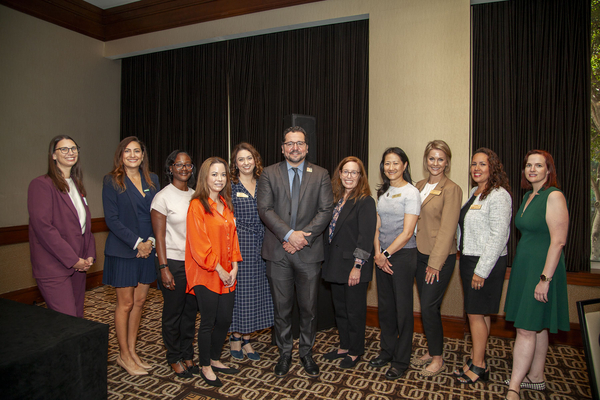
The program opened with remarks from Mahsa Pan, President of WTS-LA, who highlighted the critical role planning plays in delivering equitable, effective, and forward-thinking transportation systems. She noted that planning serves as the foundation for everything from budgeting and project delivery to community outcomes, making Metro’s planning leadership particularly important during this transformative period for Los Angeles.
Following networking and lunch, Eileen Ryder, WTS-LA Vice President of Programs and Recognitions, introduced WTS-LA Platinum Corporate Partner WSP and recognized the firm’s longtime support of WTS and its mission to advance women in transportation. Rebecca Kalauskas, Vice President at WSP and moderator for the program, then welcomed Ray Sosa to the stage, setting the context for a discussion centered on Metro’s evolving role in shaping the future of regional mobility.
As Metro’s Chief Planning Officer, Sosa oversees countywide transit planning and development, as well as the programming of federal, state, and local transportation funds supporting transit, highway, and regionally significant transportation projects throughout Los Angeles County. With more than three decades of experience in transportation planning and project delivery, he offered attendees unique insight into the opportunities and challenges facing one of the nation’s largest transportation agencies.
Key Themes and Takeaways
- Looking Beyond Vision 2028: A recurring theme throughout the discussion was Metro’s continued evolution beyond its Vision 2028 framework. While Vision 2028 established the agency’s mission, goals, and performance outcomes, the conversation focused on how Metro is preparing for the next generation of investments as many Measure M projects transition from planning into delivery. The discussion explored how planning priorities are shifting to ensure the region continues advancing major transportation initiatives while adapting to changing travel patterns and community needs.
- Delivering Major Corridor Projects: Attendees heard perspectives on how lessons learned from recently completed and ongoing transit projects are informing Metro’s approach to future corridor planning and development. The conversation examined how project delivery strategies, stakeholder coordination, and long-term planning considerations are helping shape the next wave of transportation investments across Los Angeles County.
- Funding the Transportation System of the Future: The program also addressed the financial realities of delivering an ambitious transportation program in an increasingly complex funding environment. Topics included the long-term future of Measure M investments, emerging funding mechanisms, and strategies for maintaining momentum on critical projects despite economic and fiscal challenges. Discussions highlighted the importance of innovation and partnership in advancing transportation priorities throughout the region.
- Preparing for Global Events While Building Long-Term Value: With the 2028 Olympic and Paralympic Games approaching, participants explored Metro’s role in supporting one of the largest international events ever hosted in Los Angeles. The discussion emphasized the importance of leveraging transportation investments made for the Games to create lasting benefits for residents, visitors, and communities long after the global spotlight leaves the region.
- Technology, Innovation, and the Future of Transportation: Another key topic centered on the role of emerging technologies in transportation planning. Attendees gained insight into how innovations such as artificial intelligence, data-driven decision-making, and automated vehicle technologies may influence future planning processes and mobility solutions across Los Angeles County. The conversation underscored Metro’s commitment to adapting to changing technologies while maintaining a focus on accessibility, efficiency, and customer experience.
- Collaboration as a Cornerstone of Success: Throughout the discussion, Sosa highlighted the importance of coordination among transit agencies, local governments, consultants, and community stakeholders. As transportation challenges become increasingly interconnected, successful planning depends on collaboration across disciplines and jurisdictions. This theme resonated strongly with the WTS-LA audience, many of whom play a direct role in helping advance the region’s most significant transportation initiatives.
As Los Angeles continues to invest in transformative transportation projects and prepare for major global events, conversations like these help foster the collaboration, leadership, and innovation needed to shape a more connected and sustainable future for the region.
Thank you to our program sponsors, WSP, Parsons Transportation Group, and Leon & Walsh!
See more photos of the program HERE.