WTS-Boston DEI in Motion: Women's History Month
March 2026
March is Women’s History Month, a time to recognize the contributions of women throughout American history and reflect on the continued pursuit of gender equity across all sectors - including transportation.
Women’s History Month began as a local celebration in Santa Rosa, California, in 1978 and became nationally recognized in 1987. It builds on International Women’s Day (March 8) and honors the achievements, leadership, and resilience of women across generations. [1]
In transportation, women have played essential, though often underrecognized, roles in engineering, planning, construction, policy, research, and system operations. Today, women continue to influence how transportation systems are funded, designed, and implemented while advancing policies that promote safety, accessibility, and equitable access to opportunity.
Representation in the Transportation Industry
Although progress has been made, women remain underrepresented in many transportation-related professions, particularly in engineering, construction, and senior leadership roles. According to the U.S. Bureau of Labor Statistics, women make up a significantly smaller percentage of workers in transportation, construction, and civil engineering occupations compared to their overall share of the workforce. [2] Increasing representation strengthens decision-making by bringing diverse perspectives into infrastructure planning and policy development.
Several notable women in transportation history include:
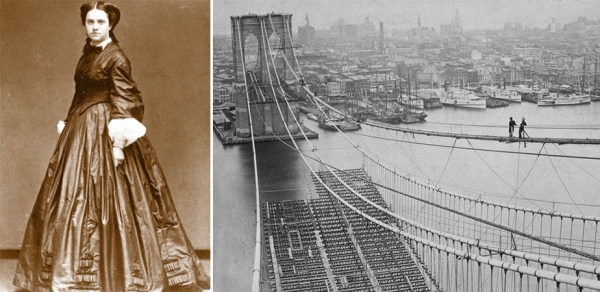
- Emily Warren Roebling – Played a critical engineering and leadership role in completing the Brooklyn Bridge. [3], [4]
- Mary Peters – Served as U.S. Secretary of Transportation and guided national infrastructure initiatives. [5]
- Polly Trottenberg – Served as U.S. Deputy Secretary of Transportation and has been a leading advocate for safety and multimodal investment. [6]
Advancing Equity Through Transportation
Promoting gender equity in transportation can include [7]:
- Ensuring safe and accessible transit facilities
- Supporting inclusive public engagement processes
- Expanding workforce development and leadership pathways
- Integrating equity considerations into planning, funding, and policy decisions
Moving Forward
Women’s History Month provides an opportunity to reaffirm a commitment to equitable transportation systems that expand access to employment, education, healthcare, and recreation. By recognizing the contributions of women past and present, and by fostering inclusive leadership moving forward, we strengthen the systems that connect our communities.
Transportation is more than infrastructure – it is a foundation for opportunity. Continued focus on representation, equity, and inclusion ensures that mobility systems work effectively and fairly for everyone.
________________________________________
Sources
[1] National Women’s History Alliance. History of Women’s History Month
[2] U.S. Bureau of Labor Statistics. Labor Force Statistics from the Current Population Survey – Women in Transportation and Related Occupations
[3] Library of Congress. Emily Warren Roebling and the Brooklyn Bridge
[4] LINK - Emily Warren Roebling: The Woman Who Saved The Brooklyn Bridge: https://www.amightygirl.com/blog?p=25975
[5] U.S. Department of Transportation. Biography of Mary Peters
[6] U.S. Department of Transportation. Biography of Polly Trottenberg
[7] U.S. Department of Transportation. Title VI and Environmental Justice Guidance
Explore WTS-Boston's other pages here: WTS-Boston Homepage | News | Events