Program Highlights: Moving People Across Modes for the LA Olympic & Paralympic Games
On February 18, 2026, WTS‑LA convened transportation leaders from across the region for an engaging discussion on how Los Angeles is preparing to deliver one of the most ambitious multi‑modal mobility programs in the world in advance of the 2028 Olympic and Paralympic Games. Hosted at the Omni Hotel at California Plaza and sponsored by WTS-LA Pinnacle Corporate Partner Jacobs, the program explored how agencies are aligning infrastructure, operations, and traveler experience to move millions of residents and visitors seamlessly across modes.
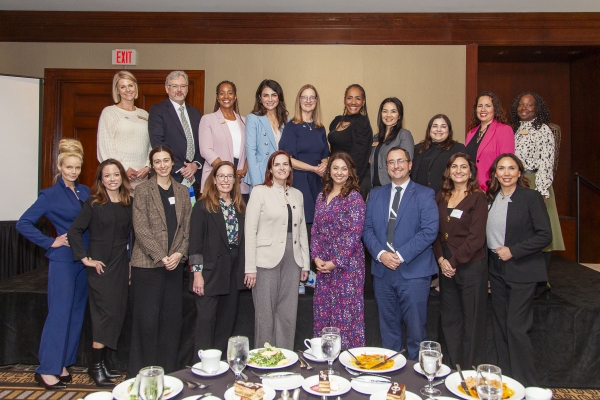
The panel, moderated by Jacobs Project Manager Charlie Hetland, brought together leaders representing aviation, transit, commuter rail, and city infrastructure, highlighting the unprecedented level of coordination required to connect venues, gateways, and communities across the region.
- Jenny Chavez, Vice President, Board of Public Works, City of Los Angeles
- Paul Hubler, Chief Strategy Officer, Metrolink
- Edna Stanley, Deputy Chief Operations Officer, Transit Services, LA Metro
- Erin Trapp, Deputy Executive Director, Major Events & Strategy, Los Angeles World Airports (LAWA)
Key Themes and Takeaways
-
Learning from Global Mega Events: Panelists reflected on lessons learned from recent Olympic and international mega events, including how operational planning, interagency coordination, and real‑time communications have evolved over the past decade. These experiences are shaping how Southern California agencies prepare for the scale and complexity of 2028, well before the first torch is lit.
-
Operations and Real‑Time Coordination: Seamless mobility during the Games will depend on real‑time decision‑making across systems. Panelists discussed how shared data, coordinated operations centers, and cross‑agency communication protocols are being developed to ensure reliable service and quick response to changing conditions during peak demand.
-
Governance, Partnerships, and Funding: Delivering an integrated regional mobility program requires unprecedented collaboration. Speakers emphasized how agencies are aligning funding strategies, capital delivery schedules, and regulatory processes to advance projects that support both the Games and long‑term regional mobility goals.
-
Building the Workforce and a Lasting Legacy: Beyond infrastructure, panelists highlighted the opportunity the 2028 Games present to invest in workforce development, mentorship, and leadership training. These efforts aim to ensure the benefits of Olympic‑driven investments extend well beyond 2028 by strengthening agencies and inspiring the next generation of transportation professionals.
-
Mode Shift as a Long‑Term Outcome: A consistent theme throughout the discussion was using the Games as a catalyst for sustained change. By improving transfers between aviation, rail, transit, and active transportation, agencies are working to make multimodal travel more intuitive and attractive, encouraging long‑term mode shift rather than a temporary event‑only solution.
This program underscored that the 2028 Olympic and Paralympic Games are not just a moment in time, but a defining opportunity for Los Angeles to deliver a more connected, accessible, and resilient transportation system. The collaborative strategies shared by panelists demonstrated how multi‑modal coordination today can leave a lasting legacy for the region, benefiting residents, workers, and visitors for decades to come.
Thank you to our program sponsors, Jacobs, Leon & Walsh, C2PM, and Rheia Consulting!
See more photos of the program HERE.